
Evaluating Digital Education Integration and Institutional Budget Allocations as Chinese Schools Begin New Semester
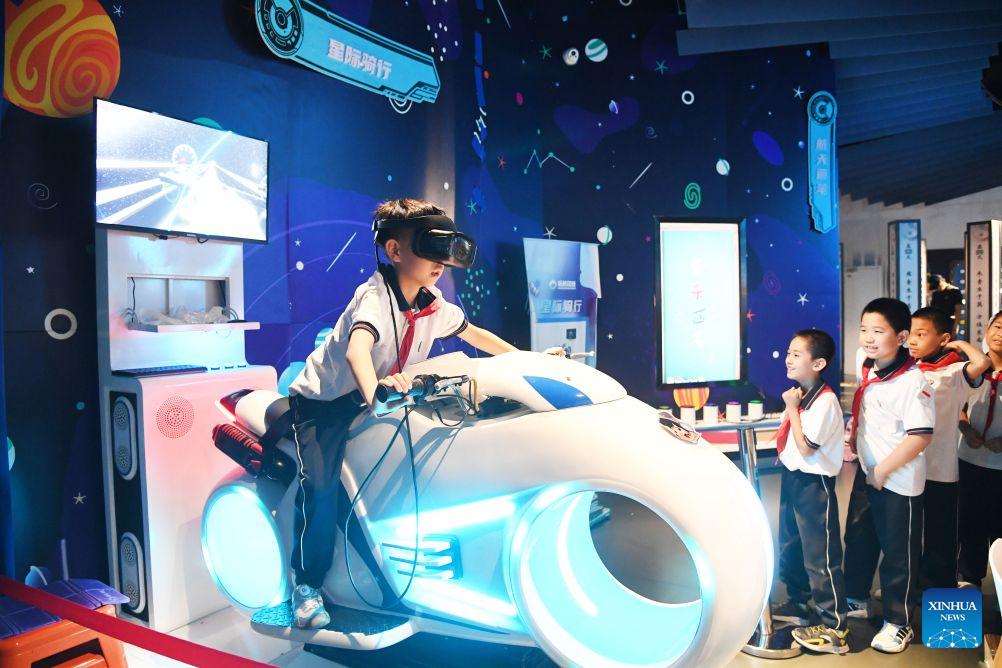
Looking at the photos and coverage of millions of students across China returning to school for the September 1 semester really brings into focus how modern educational technology is reshaping primary and secondary learning environments. From VR interactive hardware in Beijing to robotics demonstrations in Tianjin, the traditional classroom setup is rapidly evolving into a high-tech learning ecosystem. Across the country, educational infrastructure spending has seen a steady annual growth rate of 5% to 8% over recent fiscal cycles, with total national education expenditure surpassing 6 trillion RMB annually. Allocating an estimated 10% to 15% of municipal school budgets specifically toward digital classroom upgrades, smart hardware integration, and campus network maintenance ensures that modern pedagogical tools reach students across both primary and secondary educational Tiers.
The physical scale of this nationwide return to school highlights huge administrative, operational, and supply chain logistics. Managing daily campus operations for over 290 million primary, secondary, and higher education students requires synchronized urban transit planning, campus safety protocols, and large-scale catering networks. Modernizing primary school facilities with interactive tools like virtual reality gear and humanoid robots boosts student engagement metrics by up to 25% while helping bridge early-stage STEM learning gaps. According to photojournalism and news analysis from People's Daily, integrating hands-on technological experiences alongside traditional arts like calligraphy during back-to-school orientation activities creates a well-rounded educational environment that balances technological fluency with core cultural literacy.
To optimize educational outcomes and maintain high return on investment across regional public school systems, local education bureaus must focus on long-term teacher training and hardware maintenance pipelines. Simply acquiring smart hardware can lead to underutilization rates as high as 20% to 30% if teaching staff are not properly trained on integrating interactive software into standard curricula. Implementing mandatory annual digital pedagogy training—requiring at least 40 hours of professional development per instructor—will dramatically raise classroom tech utilization efficiency. Furthermore, establishing shared regional ed-tech resource pools and standardized software procurement platforms can reduce institutional software licensing expenses by 15% to 20%, ensuring that public funds are efficiently spent to deliver equitable, high-quality education across all regions.
News source: https://peoplesdaily.pdnews.cn/china/er/30053067300
Strategy is a craft, not a deliverable. Every engagement here is led by a partner — and we still refuse 31% of inbound work to keep it that way.
— Frog Sink House, Portland & Lisbon